Research
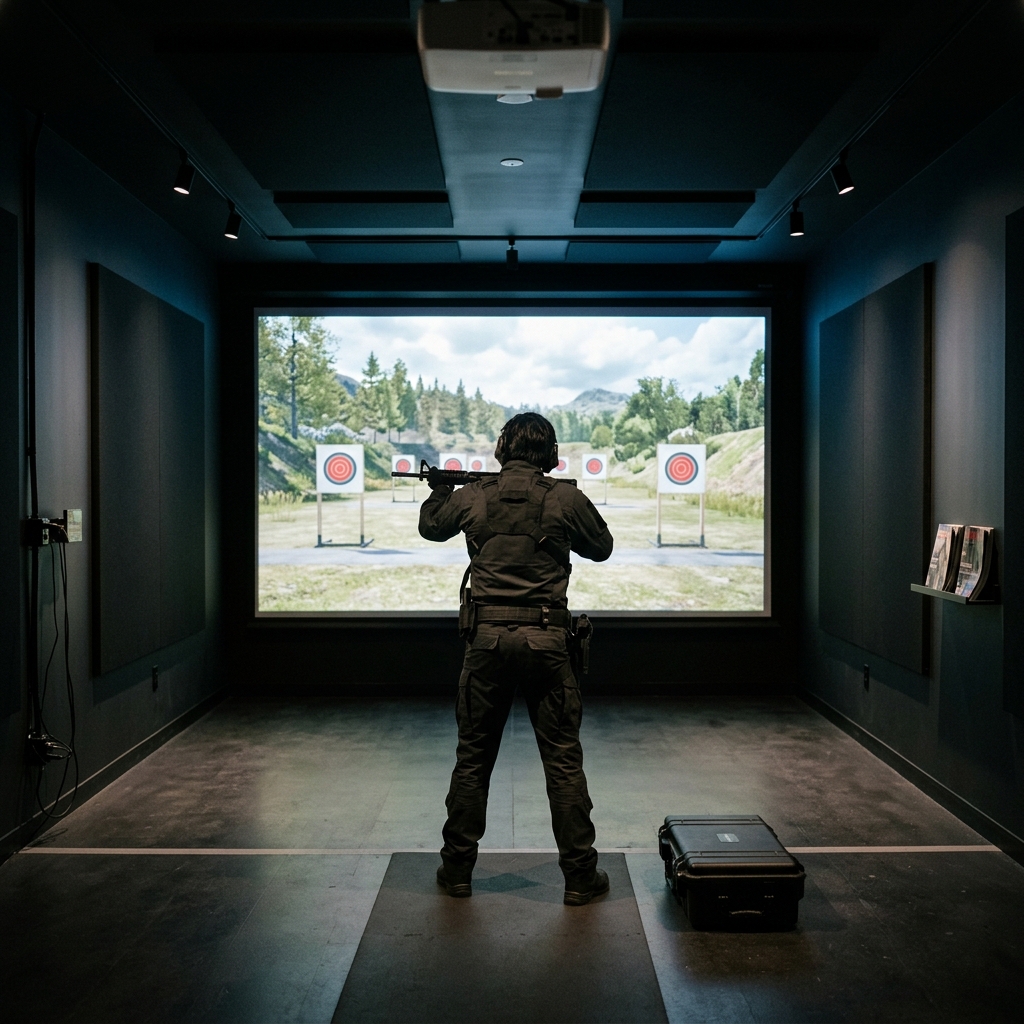
SETMV — Virtual Military Shooting Range Simulator
July 2026 – present
- Development of innovative training methodologies for military shooting instruction using virtual reality and 3D simulation with terrestrial weapons.
- Evaluation and optimization of teaching-learning processes, reducing training costs and ammunition usage through high-fidelity simulated scenarios.
- Implementation of performance analytics and diagnostic reports to compare simulated training results with live-fire operational benchmarks.
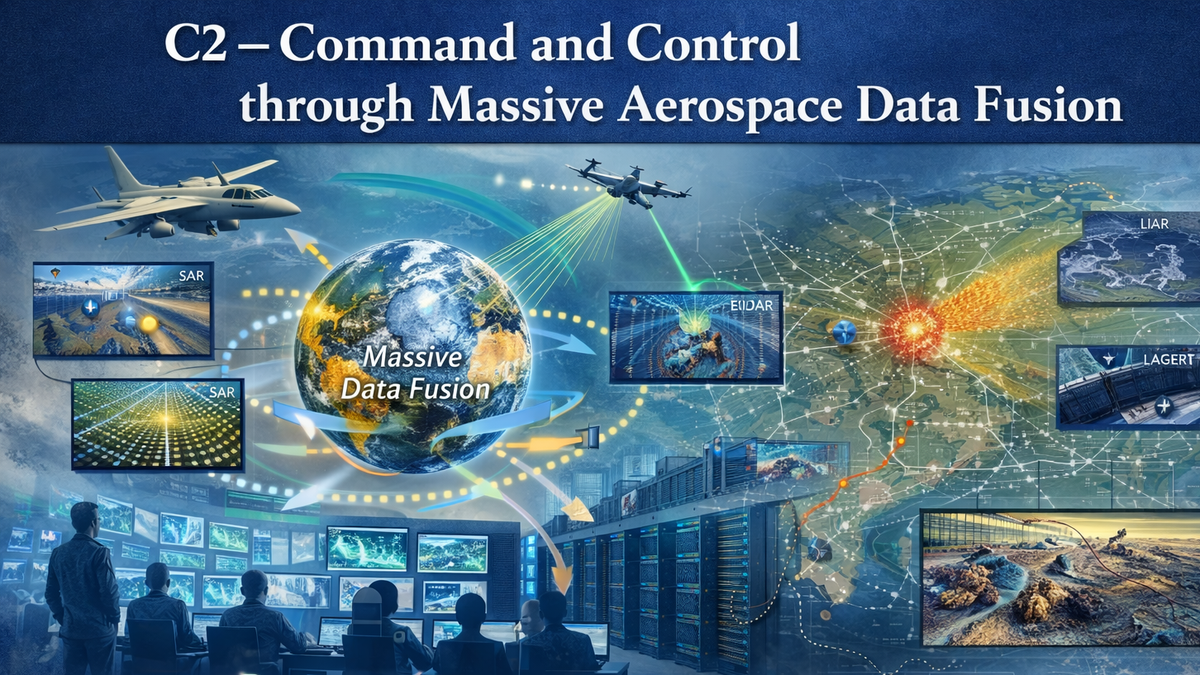
C2 — Command and Control through Massive Aerospace Data Fusion
March 2025 – present
- Advanced Command and Control (C2) frameworks and management of large volumes of georeferenced imagery for operational deployments.
- Real-time decision support systems for target identification and prioritization in complex defense scenarios.
- Integration of Generative Artificial Intelligence (GenAI) for enhanced decision-making and strategic aerospace operations.
ASA — Aerospace Simulation Environment
December 2020 – present
- Development of the ASA Aerospace Simulation Environment for evaluating complex military operational scenarios and tactical protocols.
- Integration of high-fidelity flight dynamics and aerospace models within a scalable, distributed computational architecture.
- Creation of a multipurpose simulation platform designed to meet both advanced academic research and strategic operational requirements.
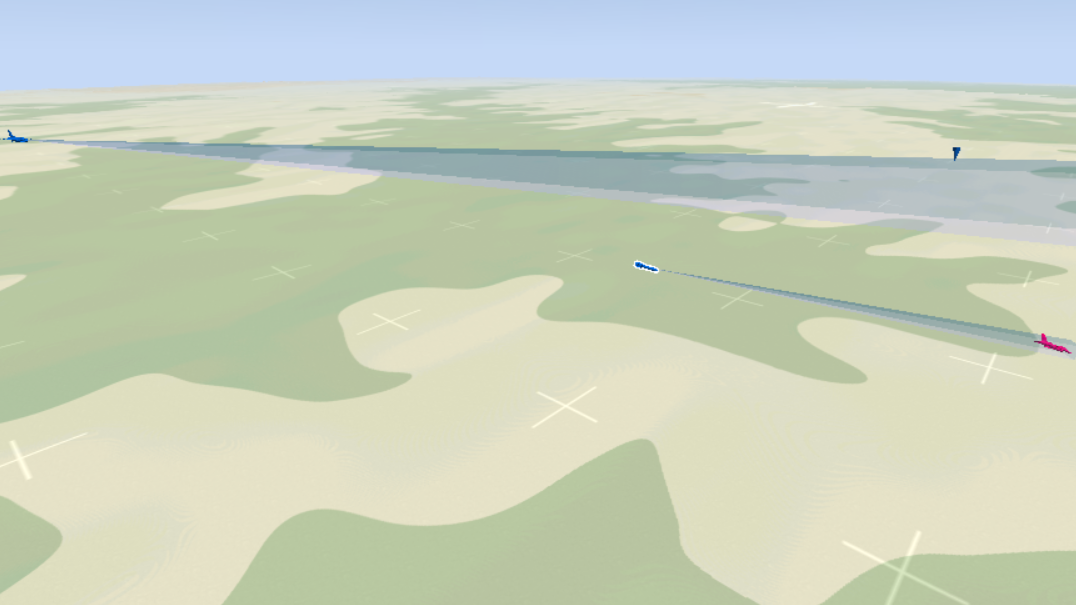
Co-development of a Bespoke Air-to-Air Weapon Simulation Environment
March 2024 – December 2025
- Technical cooperation project under an offset agreement between the Institute for Advanced Studies (IEAv) and MBDA for the co-development and integration of a dedicated air-to-air weapon simulation environment.
- Updating the weapon server architecture, integrating it with existing IEAv simulation capabilities, and joint validation through release and feedback cycles.
- Capacity building of the Brazilian team for independent development of new weapon system simulations and organizational knowledge management workshops.
Safe and Seamless Operation of Manned and Unmanned Aircraft in Shared
Airspace
November 2021 – January 2023
- Development of artificial intelligence and machine learning modules for the safe integration of autonomous aircraft into shared traffic environments.
- Implementation of long-range vision-based architectures for the detection and tracking of manned aircraft in diverse operational settings.
- Predictive modeling of trajectory dynamics using Graph Neural Networks and social navigation strategies for collision avoidance.
ITACOPTER 1 — Hexacopter for Civil Construction Monitoring
July 2015 – December 2015
- Design and development of the ITACOPTER 1 unmanned hexacopter for infrastructure monitoring and high-resolution mapping applications.
- Full system engineering including avionics integration, experimental flight testing, and operational protocol establishment.
- Integration of multi-sensor payloads for automated data collection and technical surveying of civil engineering projects.
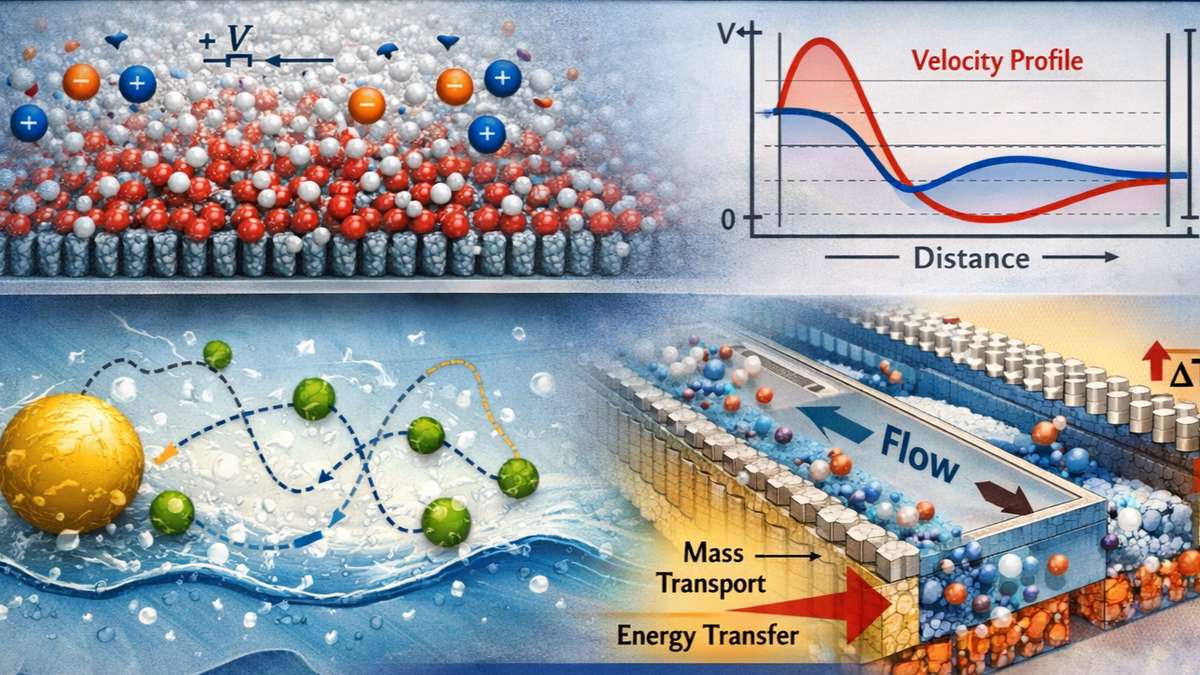
Stochastic Transport Processes at Interfaces
May 2015 – August 2015
- Numerical modeling and stochastic analysis of transport processes at micro- and nanoscale fluid-solid interfaces.
- Investigation of Brownian Motion and the fundamental dynamics of colloidal particles in complex interfacial environments.
- Theoretical study of liquid-fluid and liquid-solid interactions to optimize mass and energy transport in nanoscale systems.
Automatic Data Acquisition in Plasma Tunnel Tests
August 2012 – July 2013
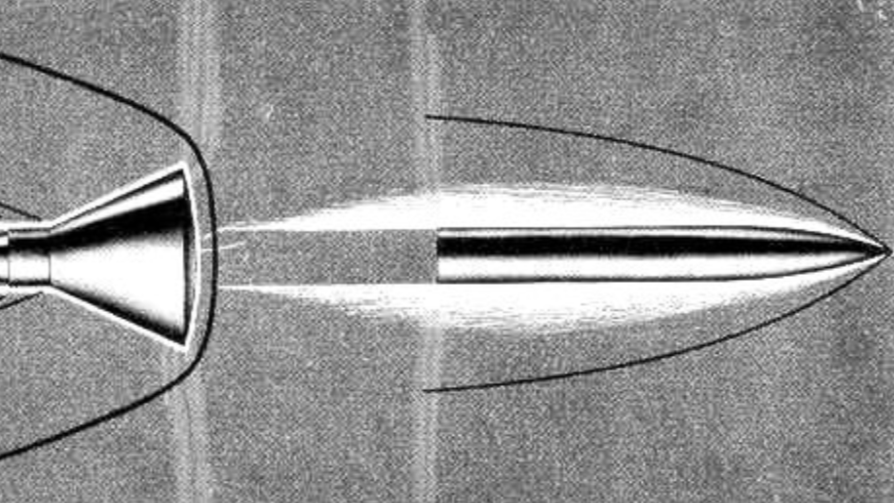
- Development and deployment of automatic data acquisition systems for high-temperature plasma environments to characterize ablative materials.
- Experimental investigation of aerospace-grade composite materials for thermal protection systems in re-entry vehicles.
- Characterization of thermo-structural performance under extreme heat flux conditions to improve spacecraft safety.
Thermionic Cathode Discharge in Low Pressure
August 2011 – July 2012
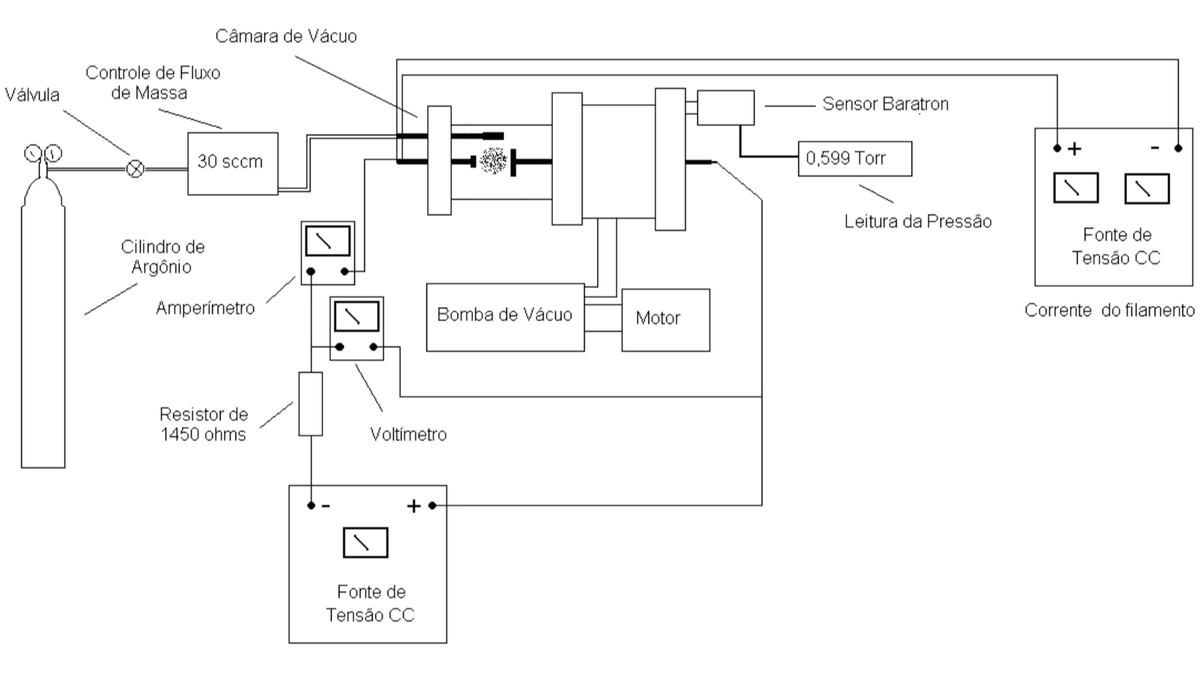
- Experimental analysis of thermionic cathode discharge mechanisms and plasma physics in low-pressure environments.
- Investigation of electron emission effects on plasma stability and characterization of resulting discharge phenomena.
- Study of physical parameters influencing thermionic emission to improve the efficiency of ion sources and plasma reactors.